진행 중인 모션을 다시 조작할 때
Interruption And Retargeting
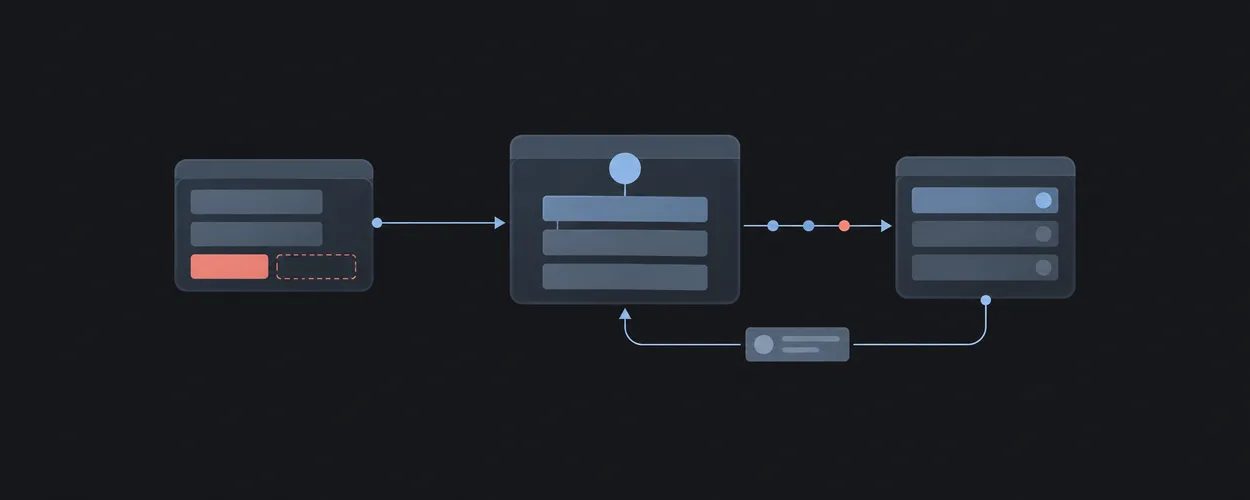
열고 닫고 다시 열어도 최신 의도와 포커스를 지키는 전환 규칙.
이 자료로 구현하기
원문 주소와 버전이 포함된 요청문입니다. 복사한 뒤 만들 화면과 요구사항을 채워 에이전트에게 전달하세요.
FROM PRINCIPLE TO PRACTICE
이 원리로 만든 예제 89
예제를 열어 동작을 살펴보고, 코드와 함께 이 문서의 원리를 확인해 보세요.
Magic Card
- 포인터 빛의 이탈과 전역 정리
MagicCard는 로컬 포인터 좌표로 방사형 빛을 옮깁니다. reset은 gradient 모드에서는 좌표를 밖으로 보내고 orb 모드에서는 불투명도를 끕니다. 데모는 gradient 로그인 카드이며 실제 로그인 요청은 없습니다.
- 포인터 빛의 이탈과 전역 정리
Terminal
- 터미널 출력 시연의 순차 상태
Terminal은 현재 activeIndex와 맞는 completeItem만 수락해 다음 자식으로 진행합니다. TypingAnimation은 문자열 타이머 완료를, AnimatedSpan은 motion 완료를 신호로 씁니다. 데모의 설치·성공 문장은 정적 시연이며 명령 실행 결과가 아닙니다.
- 터미널 출력 시연의 순차 상태
Animated Grid Pattern
- 완료 콜백이 다시 만드는 격자 셀
셀은 나타났다가 역재생으로 사라진 뒤 onAnimationComplete에서 임의 위치와 iteration을 갱신해 다시 마운트됩니다. 컨테이너가 바뀌면 전체 셀을 다시 만듭니다. 대표 데모는 30개 셀에 duration=3·repeatDelay=1을 전달하며 정지 제어는 이 두 파일에 없습니다.
- 완료 콜백이 다시 만드는 격자 셀
연결된 예제 86개 더 보기
Cool Mode
- 누른 상태에서 제거되는 입자 효과
CoolMode는 누름 상태에서 최대 45개 입자를 생성하고 공유 고정 레이어에 붙입니다. cleanup은 입자가 0개가 될 때까지 기다리지만 autoAddParticle을 직접 끄지 않습니다. 누른 채 제거하면 생성이 이어지는지 확인할 이유가 있습니다.
- 누른 상태에서 제거되는 입자 효과
Pointer
- 부모 커서 스타일의 소유와 복구
Pointer는 자신의 부모에 mouse 이벤트를 붙이고 cursor=none을 쓰며, client 좌표를 fixed 레이어에 전달합니다. 데모는 네 카드마다 다른 포인터를 둡니다. 정리 시 원래 스타일을 저장해 복구하지 않고 빈 문자열로 바꿉니다.
- 부모 커서 스타일의 소유와 복구
Ripple Button
- 클릭 파동의 시간과 정리 단위
RippleButton은 클릭 좌표와 Date.now key로 파동을 추가합니다. effect는 마지막 파동만 타이머로 제거하며 새 클릭 때 이전 타이머를 취소합니다. CSS duration 문자열과 parseInt(duration)의 밀리초 해석은 0.6s 같은 입력에서 일치하지 않습니다.
- 클릭 파동의 시간과 정리 단위
Smooth Cursor
- 전역 커서 숨김의 소유권
SmoothCursor는 fine·hover 포인터가 있을 때 body cursor를 none으로 바꾸고 pointermove를 프레임마다 하나 처리합니다. touch 입력은 무시하지만 데모 안내 문구는 md 폭 기준입니다. 제거 시 body cursor를 auto로 덮어 기존 값을 복구하지 않습니다.
- 전역 커서 숨김의 소유권
Sparkles Text
- 별의 수명과 애니메이션 주기
SparklesText는 100ms interval로 lifespan을 줄이고 만료된 별을 새 위치로 교체합니다. 각 별의 SVG는 별도로 0.8초 효과를 반복합니다. 대표 데모는 정적 strong 문구와 기본 열 개의 별을 함께 둡니다.
- 별의 수명과 애니메이션 주기
4 Exclusive Demos: Slideshows & Typographic Animations
- 반대 방향 슬라이더의 공통 이동 의도
대표 DoubleSlideshow는 배경·전경 Slider를 반대 방향으로 움직이고 제목도 같은 next/prev 요청에서 갱신합니다. 각 Slider는 이동 중 추가 요청을 거절합니다.
- 반대 방향 슬라이더의 공통 이동 의도
A little order. A lot of motion.
- 01 / Text & particle timing · renderTypography
A local timeline assigns independent character offsets, cyclic colors and directions, seeded repeat-refresh particles, and a smoothed playback rate. Line and character clipping can be compared without a text-animation library. This binding describes the authored study and does not verify the original project.
- 01 / Text & particle timing · renderTypography
A Playful Clip Menu with GSAP’s easeReverse
- 완전 열림과 도중 닫기의 다른 역재생
toggleMenu는 현재 progress를 읽고 완전히 열린 메뉴와 도중에 닫는 메뉴를 구분합니다. 도중 닫기는 현재 진행률을 보존해 타임라인을 다시 만들고 exitSpeed를 적용합니다.
- 완전 열림과 도중 닫기의 다른 역재생
Animated Product Grid Preview with GSAP & Clip-Path
- 미리보기 시작 시점과 반복 재생의 소유자
setProduct는 이전 galleryTimeline을 종료하고 상품별 이미지 묶음을 선택합니다. then 인수에서 startPreviewGallery를 직접 호출하므로 갤러리 시작은 전환 완료 콜백으로 지연되지 않습니다.
- 미리보기 시작 시점과 반복 재생의 소유자
Animating Responsive Grid Layout Transitions with GSAP Flip
- 배치 상태를 먼저 바꾸고 이전 위치에서 연결
버튼은 Flip.getState로 이전 기하를 저장한 뒤 data-size-grid와 활성 버튼을 갱신합니다. animated 잠금은 Flip의 onComplete에서만 풀립니다.
- 배치 상태를 먼저 바꾸고 이전 위치에서 연결
Blurry Text Reveal on Scroll
- 텍스트 재분할 뒤 스크롤 효과의 수명
첫 효과는 글자별 blur와 brightness를 스크롤에 묶습니다. TextSplitter의 resizeCallback도 scroll을 다시 호출하여 새 tween과 ScrollTrigger를 만듭니다.
- 텍스트 재분할 뒤 스크롤 효과의 수명
Building a Scroll-Driven 3D Gallery Using a Blender Camera Path with Three.js and GSAP
- 경로 전환 동안 카메라 추적을 잠시 넘기기
경로 버튼은 plane을 새 곡선으로 이동시키고 camPos의 기존 tween을 종료한 뒤 새 위치로 보냅니다. animate는 camPos가 tween 중일 때 곡선 좌표를 직접 덮어쓰지 않습니다.
- 경로 전환 동안 카메라 추적을 잠시 넘기기
Building an Infinite GSAP Scroll Gallery with Parallax and Flip Transitions
- 이미지 decode 대기 중에도 상세 열기 취소
Transition.open은 fillContent의 decode를 기다린 뒤 opening 상태를 다시 확인합니다. close는 타임라인이 없으면 reset하고, 이미 재생 중이면 역재생한 뒤 정리합니다.
- 이미지 decode 대기 중에도 상세 열기 취소
Building an Infinite Marquee Along an SVG Path with React & Motion
- 드래그 해제와 취소가 공유하는 관성 복귀
handlePointerMove는 이동 거리의 크기에 x 방향 부호를 붙여 dragVelocity를 정합니다. handlePointerUp은 포인터 해제와 취소 모두에서 isDragging만 내리며 속도를 지우지 않습니다. 다음 프레임부터 자동 이동에 남은 속도를 더하고 감쇠합니다.
- 드래그 해제와 취소가 공유하는 관성 복귀
Building Persistent Page Transitions with WebGPU and Vanilla JavaScript
- 오래 사는 GPU 장면과 페이지 교체의 완료 조건
navigate는 이전 페이지 입력을 막고 새 DOM을 추가한 뒤 텍스트와 입출장 전환들을 Promise.all로 기다립니다. 완료 후 이전 DOM을 제거하며 mutating 동안 다른 탐색을 거절합니다.
- 오래 사는 GPU 장면과 페이지 교체의 완료 조건
Building Responsive, Scroll-Triggered Curved Path Animations with GSAP
- 제어점 편집 후 다시 만든 경로의 진행 복원
drag는 section 좌표계의 제어점을 바꾸고 기존 scrollTrigger 진행값을 저장한 뒤 timeline을 다시 만듭니다. 새 start·end 구간에서 같은 비율의 scroll 위치를 설정합니다. resize는 점 위치를 다시 재지만 이미 편집한 제어점은 그대로 사용합니다.
- 제어점 편집 후 다시 만든 경로의 진행 복원
Building Seamless 3D Transitions with Webflow, GSAP, and Three.js
- 페이지 교체와 카메라 이동의 서로 다른 완료 시점
HTML은 WebGL canvas를 교체되는 data-barba container 밖에 두고 배포 코드는 하나의 Mr 장면을 재사용합니다. Gp는 namespace pen·cup·suzanne을 카메라 x 0·3·6으로 옮깁니다. leave는 완료 Promise를 반환하지만 enter의 Jb와 Gp는 애니메이션 완료를 반환하지 않습니다.
- 페이지 교체와 카메라 이동의 서로 다른 완료 시점
Consecutive Scroll Animations with One Element
- 한 요소가 여러 목적지 크기를 순서대로 방문
createFlipOnScrollAnimation은 각 data-step의 기하를 저장하고 하나의 요소에 Flip.fit을 이어 붙입니다. resize 때 이전 GSAP context를 revert하고 다시 만듭니다.
- 한 요소가 여러 목적지 크기를 순서대로 방문
Creating a Thumbnail Flow Animation with GSAP MotionPath
- 크기 변경에서 진행률은 보존하고 재생은 멈춤
onResize는 타임라인 진행률을 저장하고 0으로 되돌려 측정한 뒤 재생성합니다. 마지막에 저장한 progress를 복원하면서 pause하므로 이동 중 resize도 일시 정지가 됩니다.
- 크기 변경에서 진행률은 보존하고 재생은 멈춤
Creating Custom Page Transitions in Astro with Barba.js and GSAP
- 장면 덮개가 입력을 받는 구간의 시작과 끝
about 전환의 leave는 #webgl을 보이고 pointerEvents=auto로 바꾼 후 uProgress를 -0.75까지 보냅니다. after는 1.5로 되돌리고 완료 때 입력을 통과시키며 덮개를 숨깁니다.
- 장면 덮개가 입력을 받는 구간의 시작과 끝
Double Image Hover Effects with Clip-Path Animations
- 복제 이미지 두 장의 hover 전환 취소
Fx1은 배경 이미지를 두 div로 복제합니다. 진입 시 이탈 타임라인을 종료하고 윗이미지의 clip-path와 아랫이미지 필터를 함께 바꿉니다.
- 복제 이미지 두 장의 hover 전환 취소
Exploring Playful Context-Aware Animations for Fixed Elements
- 고정 요소를 초기 HTML로 되돌리는 효과
resetElement는 원래 innerHTML을 다시 넣고 적용 속성을 초기화합니다. effect 교체는 currentTween을 kill하지만 내부 자식 노드의 정체성도 재생성됩니다.
- 고정 요소를 초기 HTML로 되돌리는 효과
Exporting a Cloth Simulation from Blender to an Interactive Three.js Scene
- 내보낸 클립을 여섯 초로 재생하고 다시 시작
Model은 GLTF의 각 animation clip에 LoopOnce와 clampWhenFinished를 적용해 여섯 초 동안 재생합니다. handleClick은 모든 action을 reset 후 play하며 cleanup은 mixer의 action을 정지합니다.
- 내보낸 클립을 여섯 초로 재생하고 다시 시작
From SplitText to MorphSVG: 5 Creative Demos Using Free GSAP Plugins
- 분할 단위를 바꾸거나 줄을 다시 나눌 때의 정리
Masked Text는 줄·단어·글자 버튼을 바꿀 때 이전 tween을 끝내고 기존 대상 yPercent를 0으로 돌립니다. Falling Text는 autoSplit의 onSplit에서 줄별 트리거를 만들고 gsap.context를 반환해 재분할 정리를 연결합니다.
- 복귀 중인 점과 그리는 중인 밑줄의 재입력
Dots는 관성 종료 콜백에서 elastic 복귀를 시작하면서 _inertiaApplied를 바로 false로 풀어 복귀 중 재입력을 허용합니다. Underline은 mouseleave 때 draw-in 완료 콜백을 playOut으로 바꿔 그리기가 끝난 뒤 지웁니다.
- 분할 단위를 바꾸거나 줄을 다시 나눌 때의 정리
Fullscreen Scrolling Slideshow
- 슬라이드 이동과 열린 상세의 정리
navigate는 내비게이션의 현재 표시를 먼저 바꾸고 이전 슬라이드의 상세가 열려 있으면 전환 완료 때 hideContent를 호출합니다.
- 슬라이드 이동과 열린 상세의 정리
Grid View Switch Animation
- 선택된 보기와 진행 중인 표현을 구분
toggleMode는 currentMode와 버튼 표시를 즉시 바꾸고 showList 또는 showGrid를 실행합니다. 목록 진입은 열을 ±200vh로 이동시키는 장면과 Flip 단계를 조합합니다.
- 선택된 보기와 진행 중인 표현을 구분
How to Create a Pixel-to-Voxel Video Drop Effect with Three.js and Rapier
- 붕괴·물리 낙하·복원의 상태 전환
SequenceController는 ANIMATING·COLLAPSED·REVERSING 상태로 입력을 제한합니다. reset은 voxel uniform뿐 아니라 gsap.getTweensOf("*")로 찾은 tween들도 종료합니다.
- 붕괴·물리 낙하·복원의 상태 전환
An event is a beginning.
- 13 / Interaction & timeline composer · launchPreset
A consumer-owned event adapter launches one preset evaluator. Duration, delay and order define track offsets; the scrubber can inspect the same timeline without firing its trigger. This binding describes the authored study and does not verify the original project.
- 13 / Interaction & timeline composer · launchPreset
Ideas for Grid to Slideshow Switch Animations
- 클릭한 이미지에서 시작하는 보기 전환
showSlider는 mode를 먼저 slider로 바꾸고 모든 grid 이미지의 Flip 상태를 캡처합니다. 현재 이미지 인덱스를 stagger의 시작점으로 사용합니다.
- 클릭한 이미지에서 시작하는 보기 전환
Ideas for Image Motion Trail Animations
- 이미지 풀을 순환하며 자취 재사용
ImageTrail은 포인터와 이전 위치의 거리를 보고 다음 이미지를 선택합니다. imgPosition을 순환시키고 각 이미지의 타임라인으로 나타남·축소·사라짐을 관리합니다.
- 이미지 풀을 순환하며 자취 재사용
Ideas for Pixel Page Transitions
- 픽셀 오버레이의 Promise는 정상 종료에 연결
Overlay.show와 hide는 셀 tween의 onComplete에서 Promise를 resolve합니다. 화면 교체가 이 Promise를 기다린다면 취소·제거 때도 완료 정책이 필요합니다.
- 픽셀 오버레이의 Promise는 정상 종료에 연결
Image Tiles Menu Animation
- 지연 hover와 상세 전환의 경합
메뉴 진입은 setTimeout으로 thumbgrid 노출을 지연하고 이탈은 그 타이머와 enterTL을 정리합니다. 상세 보기에서는 같은 썸네일 그리드를 Flip으로 이동합니다.
- 지연 hover와 상세 전환의 경합
Image To Grid Transition
- 동일 이미지 노드의 부모를 바꾸는 전환
hideGrid는 contentItem의 Flip 상태를 잡은 뒤 gridItemOriginalTarget에 다시 붙입니다. 이미지의 정체성은 유지하지만 부모에 따른 스타일·초점·읽기 위치는 달라집니다.
- 동일 이미지 노드의 부모를 바꾸는 전환
Infinite Canvas: Building a Seamless, Pan-Anywhere Image Space
- 반복 이미지가 공유하는 텍스처와 대기 콜백
texture-manager는 URL별 Texture를 캐시하고 아직 로드되지 않은 동일 URL의 요청에는 콜백 Set을 공유합니다. 무한 배치의 여러 복제본이 같은 자원을 기다립니다.
- 반복 이미지가 공유하는 텍스처와 대기 콜백
Inspiration for Text Block Transitions
- 단어 전환 완료와 현재 본문의 확정
switchTexts는 현재 단어를 숨기고 다음 단어를 서로 다른 회전 기준점에서 들입니다. currentTextPos는 전체 완료 시 바뀌며 클래스는 각 부분 효과의 시점에 바뀝니다.
- 단어 전환 완료와 현재 본문의 확정
Interactive Text Destruction with Three.js, WebGPU, and TSL
- 마지막 hit가 남는 파괴 영향 상태
pointermove에서 글자 mesh를 맞히면 u_input_pos_press=1과 hit 좌표를 저장합니다. 이 핸들러의 miss 분기는 값을 지우지 않으며 pointerup에서 0으로 바꿉니다.
- 마지막 hit가 남는 파괴 영향 상태
Kinetic Typography Page Transition
- 진입과 복귀는 별도 키프레임
TypeTransition.in은 전체를 2.7배·-90도로 바꾸고 줄을 -200%까지 이동합니다. out은 따로 만든 타임라인으로 크기·회전과 줄 opacity를 복구합니다.
- 진입과 복귀는 별도 키프레임
Lines to Content Layout Animation
- 이미지 재배치와 반복 열기 요청
openContent는 선택 이미지를 Flip으로 옮기고 나머지 이미지·텍스트를 data-direction별로 내보냅니다. 등록된 클릭은 매번 openContent를 호출합니다.
- 이미지 재배치와 반복 열기 요청
Make Way Grid Effect
- 새 확대 요청이 이전 확대를 대체
SpreadGrid.expand는 진행 중 tl을 종료하고 이전·현재 확대 인덱스를 갱신합니다. 나머지 항목은 선택 항목과의 거리로 계산한 이동량만큼 비켜납니다.
- 새 확대 요청이 이전 확대를 대체
Mastering Carousels with GSAP: From Basics to Advanced Animation
- 관성 이동을 다시 잡을 때의 위치와 속도 보정
horizontalLoop의 onPressInit은 현재 이동 tween을 끝내고 진행값을 보존해 drag proxy를 재정렬합니다. snap은 재정렬 직후 이동이 10px 미만이면 lastSnap과 initChangeX를 사용해 급격한 새 속도 영향을 줄입니다.
- 관성 이동을 다시 잡을 때의 위치와 속도 보정
Model Texture Transition and Procedural Radial Noise using WebGL
- 색상 전환 잠금을 첫 프레임에서 설정
handleClick은 먼저 다음 색을 u_color2에 쓰고 play가 참일 때 animate를 시작합니다. play=false는 시작 전이 아니라 onUpdate에서 설정하고 완료 시 현재 색·진행값·잠금을 갱신합니다.
- 색상 전환 잠금을 첫 프레임에서 설정
On-Scroll 3D Stack Motion Effect
- resize 때 다시 만드는 깊이 이동
StackMotionEffect.scroll은 콘텐츠의 초기 3D 변환과 opacity를 설정하고 이전 tl을 kill합니다. 이미지 z 시작·끝은 화면 폭과 이미지 인덱스에서 계산합니다.
- resize 때 다시 만드는 깊이 이동
On-Scroll Animation and View Switch
- 스크롤이 숨긴 이미지와 격자 보기의 충돌
목록의 스크롤 효과는 imageInner를 세로 2.4배·가로 1.2배로 늘리며 opacity를 0으로 만듭니다. 같은 항목을 별도 버튼으로 격자 보기로 전환합니다.
- 스크롤이 숨긴 이미지와 격자 보기의 충돌
On-Scroll Revealing WebGL Images
- 교차 관찰과 텍스처 요청의 해제 경로
EmergingImage는 IntersectionObserver의 isIntersecting으로 uProgress를 0↔1로 바꿉니다. observer 생성 effect에는 disconnect 반환이 없고 텍스처 요청에도 실패·늦은 결과 처리 경로가 보이지 않습니다.
- 교차 관찰과 텍스처 요청의 해제 경로
Push Animation on Grid Items
- 완료 때 바뀌는 전체 화면 상태
flipImage는 isFullscreen으로 이미지의 새 부모를 선택하고 Flip 완료 시 boolean을 반전합니다. 주변 항목은 클릭 항목과 사각형 위치 관계로 방향 클래스를 받습니다.
- 완료 때 바뀌는 전체 화면 상태
Reactive Depth: Building a Scroll-Driven 3D Image Tube with React Three Fiber
- 무한 튜브의 현재값과 목표값을 함께 감기
FiberScene의 ImageTube는 현재 스크롤을 목표 쪽으로 보간합니다. loopHeight의 절반을 넘으면 현재값과 목표값 둘 다 한 주기 옮겨 보간 차이를 유지하고 행별 속도로 튜브를 회전합니다.
- 무한 튜브의 현재값과 목표값을 함께 감기
Repetition Image Hover Effects
- 한 타임라인을 정방향·역방향으로 재사용
ImageHover는 복제본에 같은 속성을 적용하되 첫 복제본의 목표는 1, 나머지는 0으로 정합니다. mouseEnter는 play, mouseLeave는 reverse로 같은 타임라인을 제어합니다.
- 한 타임라인을 정방향·역방향으로 재사용
Some Ideas for Fullscreen Image Slideshow Animations
- 슬라이드 이동과 내부 시차의 상태 정리
첫 Slideshow는 슬라이드를 방향×100% 이동시키고 내부 이미지는 반대쪽 30% 시차를 줍니다. 다음 슬라이드 클래스는 시작에, 이전 클래스 제거는 완료에 수행합니다.
- 슬라이드 이동과 내부 시차의 상태 정리
Tiny Grid Layout Animation
- 작은 격자 전체를 작업 섹션으로 옮기기
openWorks는 items의 Flip 상태를 캡처하고 onStart에서 grid 전체를 works section으로 옮깁니다. body의 preview-open과 works--open도 그 시점에 켭니다.
- 작은 격자 전체를 작업 섹션으로 옮기기
Unreveal Effects for Content Previews
- 이미지와 감싸는 표면의 반대 이동
첫 변형은 preview 이미지 xPercent=100과 wrapper=-102를 준비한 뒤 둘을 0으로 이동합니다. 본문 가림막·텍스트·설명도 따로 시작값을 받습니다.
- 이미지와 감싸는 표면의 반대 이동
WebGPU Gommage Effect: Dissolving MSDF Text into Dust and Petals with Three.js & TSL
- 텍스트 소멸과 입자 생성 예약의 정리
triggerGommage는 6초 진행률과 먼지·꽃잎 생성 tween을 시작하고 버튼을 비활성화합니다. 완료 때 생성 tween을 종료한 뒤 1초 delayedCall로 버튼을 다시 켭니다.
- 텍스트 소멸과 입자 생성 예약의 정리
Animate auto height
- 자연 높이와 최신 열림 요청
공식 CSS 문서와 CSSPlugin 입력을 근거로 새 글 상자를 만들었습니다. changeOpen은 이전 높이 트윈을 정리하고 height:auto 또는 0으로 향하며 세대 번호가 일치하는 열기 완료에만 auto를 복원합니다. 글 변경과 폭 변경은 최신 요청의 끝 상태로 정착합니다. 정적 보기와 JavaScript 실행 전에는 전체 내용을 읽을 수 있으며 처음 열림은 독립 예제의 표시 선택입니다.
- 자연 높이와 최신 열림 요청
Animate Text
- 텍스트 분해와 전환의 정리 순서
버튼은 이전 animation을 revert한 뒤 split.chars·words·lines 중 하나를 움직입니다. setup은 이전 split과 animation을 되돌리고 현재 줄바꿈에서 다시 분해하며 resize에도 실행됩니다. 세 효과를 동시에 겹치는 구조가 아닙니다.
- 텍스트 분해와 전환의 정리 순서
Animation Control
- 재생 위치와 효과 생명주기의 차이
문서의 pause·resume·reverse·seek·progress·timeScale·kill을 각각의 버튼에 연결했습니다. 동반 예제는 처음에 paused 트윈을 만들고 kill 후에는 같은 제어 명령을 막으며 새로 만들기로 다시 생성합니다. 문서의 여러 호출을 동시에 실행해 마지막 결과만 보여 주는 방식은 아닙니다.
- 재생 위치와 효과 생명주기의 차이
Basic Timeline
- 한 타임라인의 순서와 역재생
하나의 timeline에 1초, 2초, 2초 트윈을 이어 붙이고 repeat:-1, yoyo:true를 지정합니다. yoyo는 표현 시간의 역재생이며 업무 상태를 되돌리는 동작이 아닙니다. 상자 크기와 색은 누락 공통 CSS를 대신하는 호스트 스타일입니다.
- 한 타임라인의 순서와 역재생
Card stack
- 복제 카드와 늦은 제거 콜백
moveCard는 마지막 항목을 숨기고 같은 src의 새 img를 첫 자리에 넣습니다. Flip의 onLeave 완료 콜백이 이전 항목을 제거합니다. 반복 입력을 잠그는 상태는 없으므로 빠른 클릭에서 노드 수와 제거 대상이 유지되는지는 별도 검증 대상입니다.
- 복제 카드와 늦은 제거 콜백
Complex Timeline
- 명시된 시점에서 겹치는 SVG 단계
다섯 group의 트윈은 0.1, 1.3, 2.6, 3.8, 4.7초 등 명시된 위치에서 겹칩니다. 마스크의 circle·rect·path 속성도 같은 timeline에서 바뀌며 GSDevTools가 해당 tl을 제어합니다. 도형 이미지는 독립 제작 대체물이므로 원본 아트의 외형 비교 예제는 아닙니다.
- 명시된 시점에서 겹치는 SVG 단계
Create physics-based effects
- 입자 풀과 반복 입력의 소유자
createExplosion은 25개 dot과 타임라인을 한 번 만듭니다. explode는 발생기 중심을 다시 읽고 같은 타임라인을 play(0)으로 재시작합니다. 연속 클릭이 입자를 계속 추가하는 구조는 아니며 드래그 관성은 별도의 Draggable 설정입니다.
- 입자 풀과 반복 입력의 소유자
Cursor Follower
- 포인터의 최신 위치로 재지정
xTo와 yTo는 각각 duration:0.6, ease:power3인 quickTo 함수입니다. mousemove마다 그 함수에 새 좌표를 넣으며 xPercent·yPercent:-50으로 도형 중심을 포인터에 맞춥니다. 프리뷰는 첫 도형이 잘리지 않도록 시작 좌표만 중앙으로 둡니다. 원본 입력은 mousemove라서 터치 추종을 구현했다고 말할 수 없습니다.
- 포인터의 최신 위치로 재지정
Cursor-driven perspective tilt
- 서로 다른 속성의 최신 목표
네 quickTo가 바깥 rotationX·rotationY와 안쪽 x·y를 각각 소유합니다. 화면 비율을 회전 ±15도와 내부 이동 ±30으로 보간하고 pointerleave에서는 네 목표를 0으로 되돌립니다. 좌표 기준은 카드 경계가 아니라 프리뷰의 전체 window 크기입니다.
- 서로 다른 속성의 최신 목표
Cursor-Tracking Image Preview
- 진입 위치와 퇴장 리스너 정리
firstEnter일 때 quickTo의 시작 값과 목표 값을 모두 현재 좌표로 넣어 다른 행의 이전 위치에서 날아오는 것을 피합니다. 행의 fade가 역재생을 끝내면 document의 mousemove 리스너를 제거합니다. 원본 이미지 대신 행마다 다른 기하 포스터가 표시됩니다.
- 진입 위치와 퇴장 리스너 정리
Curve swipe
- 같은 곡선 전환을 역재생
MorphSVG는 시작 경로에서 중간의 볼록한 start를 거쳐 평평한 end로 갑니다. body 클릭은 새 타임라인을 만들지 않고 reversed 값을 뒤집습니다. 프리뷰는 그 타임라인을 중간에 정지해 두고 첫 클릭에서 재개합니다. 전체 화면 클릭 표현이며 키보드로 활성화할 제어는 원본에 없습니다.
- 같은 곡선 전환을 역재생
Directional Marquee
- 반복 위치와 속도 제어의 분리
horizontalLoop는 세 항목의 폭과 xPercent를 계산해 끊김 없는 반복 타임라인을 만듭니다. Observer.onChangeY는 부호에 따라 timeScale을 ±6.25로 빠르게 바꾼 뒤 ±1로 감속시키고 overwrite:true로 이전 속도 트윈을 대체합니다. 폭을 다시 측정하는 resize 리스너는 원본에 없습니다.
- 반복 위치와 속도 제어의 분리
Directionally aware header
- 스크롤 방향과 헤더의 정착점
showAnim은 위로 숨긴 상태에서 현재 위치까지 오는 paused 트윈이며 progress(1)로 처음에는 헤더를 보입니다. ScrollTrigger onUpdate의 direction이 -1이면 play, 그 외에는 reverse합니다. 메뉴 링크나 초점 정책이 있는 실제 탐색 헤더는 아닙니다.
- 스크롤 방향과 헤더의 정착점
Dynamic Morphing
- 제어점 보간과 입력 잠금
toggle은 두 path의 각 열 점을 난수 지연으로 움직이고 render는 그 숫자 배열을 cubic path 문자열로 다시 만듭니다. MorphSVG 플러그인을 사용하는 구현이 아닙니다. 클릭은 tl.isActive가 거짓일 때만 isOpened를 바꾸므로 전환 도중의 명령은 누적되지 않습니다. 프리뷰의 최초 중간 정지는 수락한 첫 클릭에서 해제됩니다.
- 제어점 보간과 입력 잠금
easeReverse - UI interactions
- 역재생 곡선과 속도의 별도 입력
er 함수는 체크박스에 따라 easeReverse를 정하고, 마우스 퇴장에서는 timeScale을 exitTs로 바꿔 같은 타임라인을 reverse합니다. 체크박스를 바꾸면 세 효과를 kill하고 초기 상태로 재구성하므로 열려 있던 드롭다운도 닫힙니다.
- 역재생 곡선과 속도의 별도 입력
FLIP Carousel
- 전환 중 새 명령을 무시하는 정책
isAnimating이 true이면 두 버튼의 핸들러가 반환합니다. updateCaterpillar는 방향에 따라 첫 카드 또는 마지막 카드의 복제본을 넣고 이전 카드를 숨깁니다. onLeave의 완료가 이전 노드를 제거하고 입력 잠금을 풉니다. 버튼을 disabled로 표시하는 처리는 없습니다.
- 전환 중 새 명령을 무시하는 정책
Infinite looped scrolling sections
- 활성 섹션과 진행 중 등장 표현
각 구간의 onToggle이 setSection을 호출해 이전 섹션을 0.8배·투명으로, 새 섹션을 1배·불투명으로 바꿉니다. defaults.overwrite:auto와 currentSection이 최신 대상으로 전환을 이어갑니다. 구간 진입 후 0.3초 동안 움직이는 효과이며 스크롤 거리에 직접 연결된 scrub은 아닙니다.
- 활성 섹션과 진행 중 등장 표현
Interruptible Single Timeline Enter/Exit
- 중간 되감기와 완료 뒤 별도 퇴장
한 타임라인은 등장→open 정지점→아래쪽 퇴장으로 구성됩니다. 등장 중 닫기는 reverse, 열린 뒤 닫기는 정지점을 넘어 play합니다. 별도 퇴장 중 열기는 desiredOpen에 남겨 완료 뒤 한 번 다시 엽니다. 출입 타이밍·방향·처음 열린 상태는 독립 예제의 선택이며 원본 장면을 관찰한 주장이 아닙니다.
- 중간 되감기와 완료 뒤 별도 퇴장
Magnetic Button - overwrite modes
- 같은 대상의 서로 다른 속성 소유자
x·y의 자석 이동과 rotation의 무한 wiggle은 같은 btn을 대상으로 합니다. overwrite:true는 회전까지 제거하고 auto는 충돌하는 이동 속성만 대체합니다. false 영역은 1.5초 이동과 0.5초 복귀가 중첩되어 오래된 이동이 남는 비교입니다. 모달 문자열에는 복귀 0.15초 예시도 있어 실행 패널의 0.5초와 구분해야 합니다.
- 같은 대상의 서로 다른 속성 소유자
Morph between SVG shapes
- 문서의 끝점과 재시작 정책
공식 문서는 #circle을 #lightning으로 1초 동안 모핑합니다. 두 경로와 버튼은 독립 제작했으며 버튼은 시작 d를 복원한 뒤 해당 호출을 실행합니다. 따라서 중간 클릭은 같은 상태에서 되돌리기가 아니라 처음부터 다시 시연하기입니다.
- 문서의 끝점과 재시작 정책
Responsive Animation
- 반응형 조건이 소유하는 표현
gsap.matchMedia의 isSmall·isLarge에 따라 반대 상자를 숨기고 해당 이미지에 서로 반대 방향의 무한 회전을 지정합니다. 폭은 iframe의 window 기준이며 바깥 브라우저 폭과 같다고 가정할 수 없습니다. reduced-motion 조건은 이 두 분기에 없습니다.
- 반응형 조건이 소유하는 표현
Responsive line splits on scroll
- 줄 재분해와 반환한 효과의 수명
SplitText의 autoSplit:true와 mask:"lines"가 현재 폭의 줄 구조를 만듭니다. onSplit은 instance.lines를 대상으로 만든 ScrollTrigger 트윈을 반환하여 재분해 수명과 연결합니다. 시작·끝은 clamp(top center)와 clamp(bottom center)이며 세 container가 각자의 구간을 가집니다.
- 줄 재분해와 반환한 효과의 수명
Revert after animation
- 분해 해제 뒤 새 노드를 참조하는 재생
완료 콜백은 mySplitText.revert를 호출하고 aria-hidden을 제거합니다. 원본은 text.isSplit을 검사하며 최초 chars 배열을 다시 사용하지만, 확보한 SplitText 3.15.0에서는 isSplit과 재생성된 chars가 SplitText 인스턴스에 있습니다. 프리뷰 어댑터가 두 참조를 mySplitText로 바꾸며 원본 패널은 보존합니다.
- 분해 해제 뒤 새 노드를 참조하는 재생
Text Masking
- 줄 마스크와 현재 재생 핸들
autoSplit과 mask:"lines"가 만든 각 줄은 yPercent:100·opacity:0에서 나타납니다. onSplit은 새 트윈을 split 변수에 넣고 반환합니다. 버튼은 그 현재 트윈을 timeScale(0.2).play(0)으로 재생하므로 느린 재생은 새 문장 생성이나 일시 정지 해제가 아니라 진행 위치의 재설정입니다.
- 줄 마스크와 현재 재생 핸들
Text scrambling
- 현재 문구와 진행 중 글자 교체
curIndex는 클릭할 때 바로 다음 값으로 순환합니다. ScrambleText는 0.2초 후 글자를 드러내고 4.2초 동안 진행하며 overwrite:auto로 이전 트윈을 대체합니다. 세 번째 문구에는 newClass:border를 더합니다. 이 글자 효과는 작업 완료나 서버 상태를 나타내지 않습니다.
- 현재 문구와 진행 중 글자 교체
Timeline clear and rebuild
- 자식 제거와 표현 복원은 별도 작업
routeTimeline은 한 번만 만들고 buildRoute가 pause().clear()로 자식을 지웁니다. 등장은 명시한 출발값의 fromTo, 퇴장은 현재 값의 to로 다시 구성합니다. reset은 타이머와 완료 콜백을 제거하고 패널·라벨·아이콘 값을 따로 복원합니다. 등장 중 닫기는 현재 값에서 퇴장하지만 퇴장 중 열기는 정한 출발값으로 되돌아가는 정책입니다.
- 자식 제거와 표현 복원은 별도 작업
Toggle Direction
- 방향 전환 뒤 명시적으로 재개
한 트윈을 유지하며 reversed 값을 반대로 바꾼 뒤 resume합니다. 진행 슬라이더는 방향을 바꾸지 않고 현재 위치에서 정지합니다. reset은 진행 0·정지·역방향 플래그로 시작하여 첫 방향 바꾸기가 끝 쪽으로 움직이게 합니다. 정적 모드는 같은 방향 입력의 끝점으로 즉시 이동합니다.
- 방향 전환 뒤 명시적으로 재개
Activity Dropdown · Gamma UI
- 펼침 상태에서 계산되는 순차 등장
행의 이동·투명도는 isOpen에서 결정되고 펼칠 때만 index × 75ms 지연을 줍니다. 닫을 때 지연은 0ms이고 전환 클래스는 500ms입니다. 별도 타이머나 완료 콜백은 없으며 이 숫자는 작성자 설정값입니다. 실제 부드러움이나 모션 감소 동작을 증명하는 값은 아닙니다.
- 펼침 상태에서 계산되는 순차 등장
Inverted Cursor · Gamma UI
- 위치 갱신과 프레임 루프의 수명
effect의 의존성은 position과 size이므로 위치가 바뀌면 세 마우스 리스너와 프레임 예약을 정리하고 다시 설정합니다. cleanup은 cancelAnimationFrame을 호출합니다. 한편 animate는 원이 보이지 않거나 목표에 도착한 경우에도 다음 프레임을 예약하며 별도 정지 조건이 없습니다.
- 위치 갱신과 프레임 루프의 수명
Location Map · Gamma UI
- 기울기와 펼침이 사용하는 서로 다른 상태
포인터 위치는 카드 중심에서의 거리로 계산하고 ±50 범위를 ±8도 회전에 매핑한 뒤 spring을 적용합니다. mouseleave는 두 위치 값을 0으로 돌리고 isHovered만 끕니다. isExpanded는 유지되며 카드 크기, 도로, 좌표 문단은 별도의 펼침 애니메이션을 사용합니다.
- 기울기와 펼침이 사용하는 서로 다른 상태
Checkbox Group · Fluid Functionalism
- 한 행을 연결했을 때 합쳐지는 배경
CheckboxGroup은 선택 인덱스를 정렬한 뒤 연속된 번호를 한 구간으로 묶습니다. 초기 [0,2]는 두 구간이고 1을 선택하면 [0..2]가 됩니다. useMergeSplitBlocks는 한 행 간격의 두 구간이 합쳐질 때 그 행의 중간점을 기준으로 두 배경 조각을 움직입니다. 이 배경은 aria-hidden이며 체크 상태 자체를 소유하지 않습니다.
- 한 행을 연결했을 때 합쳐지는 배경
Fully Checked Group · Fluid Functionalism
- 중간 해제·복원의 타이머 수명
가운데 행을 해제하면 하나의 선택 구간이 둘로 나뉩니다. useMergeSplitBlocks는 각 전환에 tid를 주고 최신 구간에서 유효하지 않은 경계의 timeout을 취소합니다. timeout은 배경 경계 상태만 마무리하며 checked Set을 쓰지 않습니다. 언마운트 때는 남은 타이머를 모두 정리합니다. 같은 효과에 명시적인 움직임 감소 분기는 없습니다.
- 중간 해제·복원의 타이머 수명
Scramble type문자가 맞춰지는 순간
- 문자 맞추기의 재시작과 즉시 완성
다시 누를 때 기존 타이머를 지우고 같은 목표 단어를 새로 맞춥니다. 숨김이나 움직임 정지는 등록된 완료 함수를 통해 최종 단어를 표시합니다. 변하는 글자가 버튼 이름에도 사용되는 점은 별도 발화 확인이 필요합니다.
- 문자 맞추기의 재시작과 즉시 완성
Flip card앞면과 뒷면
- 뒤집기보다 먼저 바뀌는 현재 면
버튼을 누르면 눌림 상태와 두 면의 숨김 상태를 즉시 바꾸고 CSS가 회전을 따라갑니다. 빠르게 다시 누르면 최신 상태로 회전이 바뀌며 완료 타이머가 면을 결정하지 않습니다. 초기 뒷면의 접근성 숨김은 스크립트가 설정합니다.
- 뒤집기보다 먼저 바뀌는 현재 면
Stateful button행동 뒤의 피드백
- 표현 정리가 실제 성공을 승인하지 않도록
현재 모의 완료 함수는 화면 밖 이동이나 움직임 정지에도 호출되므로 700밀리초 전에 완료 문구가 나올 수 있습니다. 실제 전송 기능에 이 코드를 옮기면 서버 결과와 시각 정리를 분리해야 합니다.
- 표현 정리가 실제 성공을 승인하지 않도록
Primary role: motion lifecycle and ownership guide.
Repository Boundary
This page describes presentation behavior when an interaction is interrupted. Application state and request authority remain in State Management. A presentation controller cannot silently cancel a transaction or overwrite newer semantic intent.
Reusable Method
For each transition, record four independent facts: the committed application state, the current user intent, the presented visual state, and the current transition identity. Choose which fact authorizes each callback. A visible intermediate frame is not necessarily a valid application state.
Source Findings
| Source | Bounded finding | Consequence |
|---|---|---|
| Web Animations, cancellation | Cancelling a non-idle animation rejects its current finished promise with AbortError and resets timing state. |
Treat expected cancellation separately from an implementation failure. |
| Web Animations, playback | Play, pause, reverse, finish, and cancel are distinct operations. | Select an operation by desired lifecycle behavior, not its convenient name. |
| CSS Transitions Level 2 | Transition events include cancellation; entry styling can be supplied with @starting-style when prior rendered styling is absent. |
A normal end event is not the only exit path. |
| View Transitions Level 1 | Skipping the visual transition does not prevent its DOM update callback. | Visual cancellation is not transaction rollback. |
| Pointer Events Level 3 | A pointer stream can be cancelled by the user agent. | A drag needs an explicit cancellation path, not only pointer-up handling. |
These are specification contracts at the documents read on 2026-09-21. Draft maturity and API presence do not prove behavior on a target browser; name the tested implementation separately.
Choose The Interruption Policy
| Policy | Suitable local scenario | Cost or boundary |
|---|---|---|
| Retarget from current presentation | A panel is asked to close before it finishes opening. | Sample or preserve the current pose; do not restart from a stale endpoint. |
| Reverse the same effect | The underlying states and path are genuinely reversible. | Reversing visual time cannot undo committed external effects. |
| Settle immediately | Motion is disabled, the surface is disposed, or presentation continuity is unimportant. | Preserve semantic state and focus even when no animation runs. |
| Coalesce pending presentation | Several updates describe only the newest displayed reading. | Do not drop independent operation acknowledgements. |
| Queue meaningful steps | The user explicitly needs a sequential demonstration. | Provide interruption or escape; state which queued events can be discarded. |
The policy is a product proposal. Keep the queue bounded and its meaning explicit. A list of queued animations is not an audit log of business actions.
Worked Race: Open, Close, Open
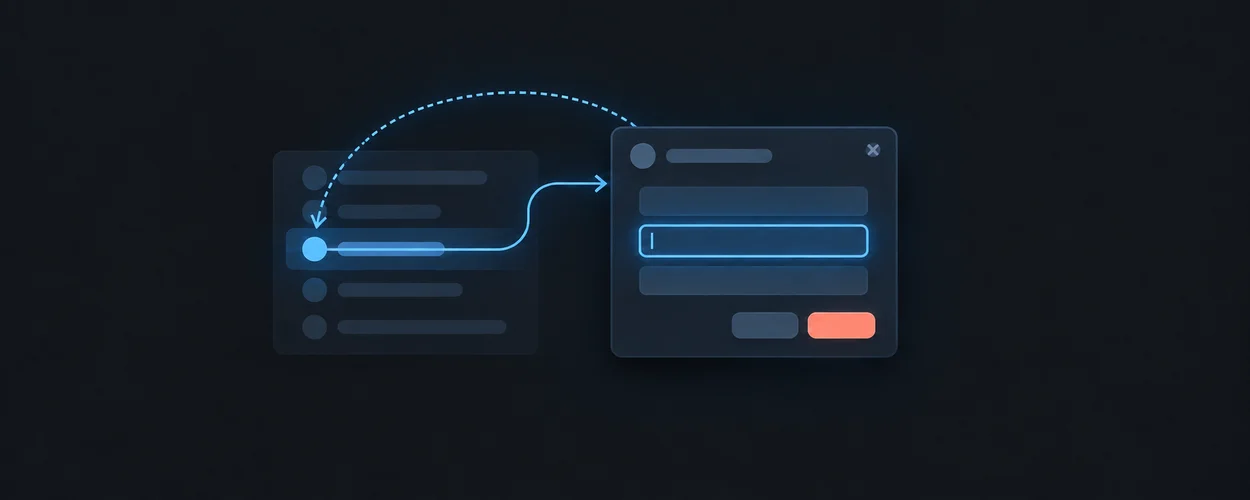
The user opens a details pane, closes it during entrance, and opens it again during exit. Give each new intent an identity. The oldest entrance completion may release its own animation handle, but it cannot mark the current pane closed, move focus, or remove the latest pane instance.
| Event | Owner action | Invariant |
|---|---|---|
| Open A | Commit open intent; establish an accessible pane and entrance effect. | Required semantics do not wait for an effect to finish. |
| Close B during A | Invalidate A's authority; choose the exit policy and focus destination. | A's completion cannot restore open intent. |
| Open C during B | Invalidate B; retarget or settle from the current presentation. | B cannot remove C's DOM instance. |
| B's delayed completion | Clean up only B's resources. | Current intent remains C. |
| Dispose surface | Invalidate all callbacks; release listeners and handles. | No later callback changes focus or another surface. |
Specify when leaving content stops accepting input. If an exiting visual remains on screen after the semantic close, it must not leave a second active focus surface. Conversely, a modal's focus containment must remain correct until the chosen modal-close operation occurs. Review that timing with the native interaction contract.
Opinionated Guidance
Prefer one owner per animated property and one lifecycle owner per surface. When multiple effects compose, explicitly name the composite rule and cleanup ownership. Do not use a timer equal to a nominal duration as the authority for saving data, unlocking an action, or removing a currently reused element.
For direct manipulation, preserve the position reached by the user. Whether a release should preserve velocity, overshoot, or snap is a local perceptual decision; no spring parameter follows from this ownership model.
Platform-Specific Guidance
CSS events, Web Animations promises, framework unmount hooks, and native gesture callbacks have different lifecycle semantics. Bind them through the same declared policy without claiming interchangeable APIs. Coordinate reduced-motion settlement through Accessible Motion.
Unsupported Absolutes
cancel() does not mean “restore the original screen.” A resolved animation promise does not prove a server operation succeeded. A reverse animation does not guarantee that focus, history, or side effects were reversed.
Verification Contract
Run repeated input at several points in the effect, including immediately before completion. The points are race probes, not statistically representative samples. Record request/intent identity, callback identity, final state, focused element, and remaining active effects.
Exercise normal completion, cancellation, reversal, removal, reduced-motion change, and pointer cancellation. Inject a late callback from the previous transition and verify it cannot remove or refocus the current instance. Compare the no-animation path against the same semantic outcomes.
These are unexecuted scenarios. A model test can prove callback acceptance rules in that model; actual event order and visual continuity require browser evidence. Re-review after a lifecycle adapter or animation API changes.
Source, License, And Attribution
Locally authored synthesis of the linked specifications, inspected 2026-09-21. No upstream implementation is copied. consumer_reference: not_applicable because the example specifies a proposed interaction and selects no consumer record.
IA Navigation
Parent: Motion. Next: Rendering And Performance.